

Hamstring Pain Got You Down? Understanding Tendinopathy vs. Muscle Strain for Lasting Relief
Are hamstring problems holding you back again and again? You're not alone! "Pulled hamstrings" are a common complaint, but the truth is, not all hamstring injuries are the same. At Spectrum, we often see patients struggling with recurring hamstring issues, and understanding the type of injury is the first step to finding lasting relief.
Your hamstrings are a group of three strong muscles at the back of your thigh: the biceps femoris, semimembranosus, and semitendinosus. They extend from your "sit bone" (ischial tuberosity) down to your lower leg, crossing both the hip and knee joints. This makes them essential for everything from running and jumping to simply walking. Hamstring tendons attach these muscles to the bone at the pelvis and near the knee.
This blog post will explain two common hamstring issues: tendinopathy and muscle strains (tears), highlighting the differences in symptoms, causes, and how we can assist you at Spectrum.
Hamstring Tendinopathy: When Overuse Causes Pain
Hamstring tendinopathy is an overuse injury that develops gradually as the hamstring tendons become irritated, thickened, or degenerated due to repetitive stress. Think of it as a chronic condition rather than a sudden tear. We differentiate between:
- Insertional (Proximal) Hamstring Tendinopathy (Pain at the Sit Bone):
- Pain Location: Deep, localised pain in your lower buttock, right around the "sit bone." It might radiate down your thigh. Sitting on hard surfaces or engaging in activities that involve bending at the hip (like deep squats) will likely make it worse.
- Symptoms: Gradual onset of aching or stiffness in the upper hamstring/buttock area. You might find it's worse in the morning, "warms up" with activity, but then flares up again later. Pressing on the sit bone will be tender. Swelling is rare. Hip extension or knee flexion may feel weak.
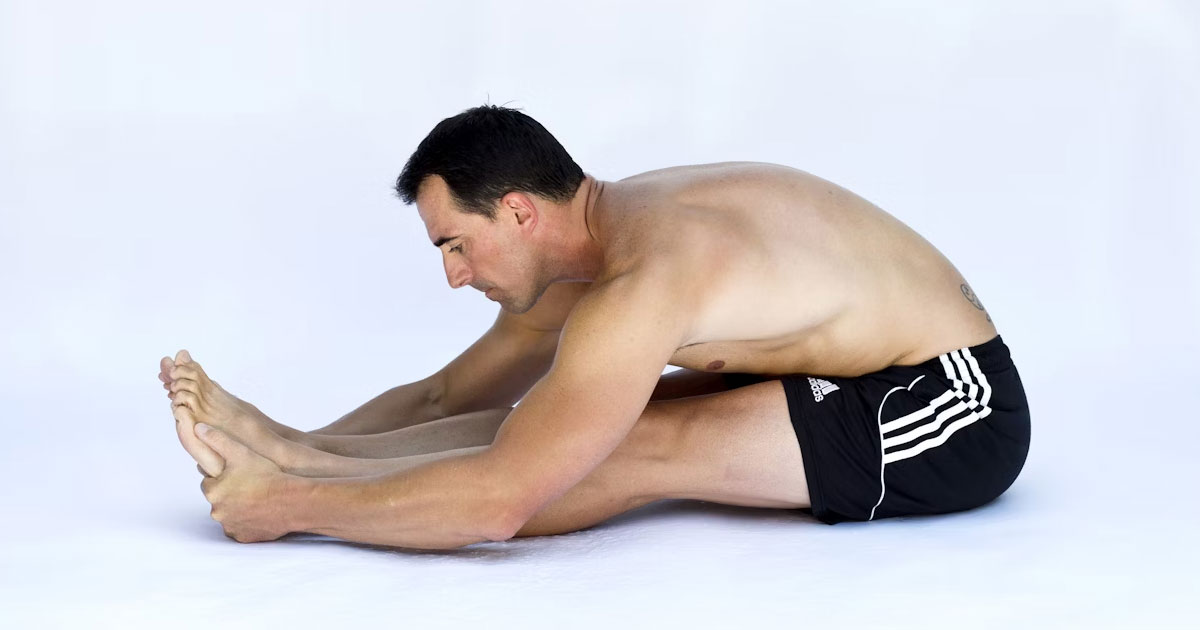
- Causes: Repetitive compression and pulling forces on the tendon. Common culprits include increased running mileage, hill workouts, and even static stretching like holding yoga poses for extended periods.
- Distal Hamstring Tendinopathy (Pain Behind the Knee):
- Pain Location: Primarily behind the knee, possibly radiating up the thigh or down the calf.
- Symptoms: Similar to insertional tendinopathy, you'll likely experience a gradual onset of aching or stiffness around the knee. Swelling, warmth, morning stiffness, and reduced knee movement are also common. Pain increases with running, jumping, or bending the knee, and you might feel weak or sore after activity.
- Causes: Overuse from repetitive micro-trauma, especially in sports involving sprinting or kicking (like soccer). Poor training load management or rapidly increasing exercise intensity can also lead to tendon problems.
Hamstring Muscle Strain (Tear): A Sudden, Sharp Pain
A hamstring strain is an acute injury. It happens when the muscle fibres tear or partially tear, usually because the load or demand on the muscle exceeds what it can handle.- Grading the Tear: We use a scale to classify the severity of hamstring strains, ranging from minor overstretching to complete muscle ruptures. Tears can occur in different locations and orientations within the muscle.
- Symptoms: You might feel a sudden "popping" sensation, followed by immediate pain. Swelling, bruising, weakness, and difficulty walking are common. In some cases, swelling can compress the sciatic nerve, causing minor numbness or tingling.
- Causes: Hamstring strains typically happen during explosive movements like sprinting, when the muscle is working hard to decelerate the leg. They can also occur when the muscle is overstretched under load.
Tendinopathy vs. Strain: Spotting the Difference
| Feature | Hamstring Tendinopathy | Hamstring Muscle Strain (Tear) |
|---|---|---|
| Onset | Gradual | Sudden |
| Pain | Deep, activity-specific | Sharp, immediate |
| Swelling/Bruising | Rare | Often present |
| Cause | Overuse, repetitive stress | Sudden overload/force |
What if You're Not Sure?
If you're having trouble identifying the cause of your pain, imaging can assist. At Spectrum, we prefer MRI for a detailed view of soft tissues, helping us locate and assess the injury's severity.
How Spectrum Can Help: Conservative Treatment Options
Our team of expert Sports Chiropractors, Physiotherapists, and Exercise Physiologists will work with you to create a personalised treatment plan:
- Pain Management: We use tools like our Game-Ready hot and cold contrast machine to reduce pain and swelling.
- Soft Tissue Therapies: Massage, cupping, and dry needling can help reduce pain and sensitivity in the affected area, allowing you to progress with rehabilitation.
- Joint Mobilisation: We'll restore proper movement in your hip, lower back, and knee to reduce stress on the hamstrings.
- Rehabilitation and Reconditioning: A gradual, supervised program to rebuild strength, improve balance (proprioception), and restore function. Our Alter-G anti-gravity treadmill can help you get back to walking and running comfortably.
In severe cases (complete ruptures or severe tendinopathies), we may refer you to our network of trusted Sports Doctors or Orthopedic specialists.
Don't Let Hamstring Pain Hold You Back!
Hamstring injuries can be complicated and long-lasting. Don't guess what is causing your pain. Contact Spectrum today for a thorough assessment and a personalised plan to help you return to doing what you love!