
Understanding Concussion: Your Complete Guide from Spectrum Healthcare North Ryde
At Spectrum Healthcare North Ryde, our experienced team of physiotherapists and chiropractors can help you or your child recover safely and confidently from a head knock, suspected concussion or diagnosed concussion. Head injuries are traumatic for all involved, trust our team of experts to help guide you or your loved ones through the recovery process, and back sports.
What Exactly is a Concussion?
A concussion is a mild traumatic brain injury (mTBI) caused by a bump, blow, or jolt to the head or body that makes the brain move rapidly inside the skull. This sudden movement stretches and damages brain cells, triggering chemical changes that temporarily disrupt normal brain function. Even though concussions are classified as “mild”, the effects can be significant and sometimes long-lasting. Symptoms may affect thinking, balance, vision, mood, sleep, and energy levels. Every concussion is unique, and early, expert management is the best way to ensure full recovery.
Common Causes of Concussion
Concussions can happen to anyone, at any age:
- Falls (the leading cause in children under 10 and adults over 65)
- Contact and collision sports (rugby, AFL, soccer, hockey, netball, basketball)
- Motor vehicle accidents
- Cycling or skateboard accidents
- Playground injuries
- Physical assault
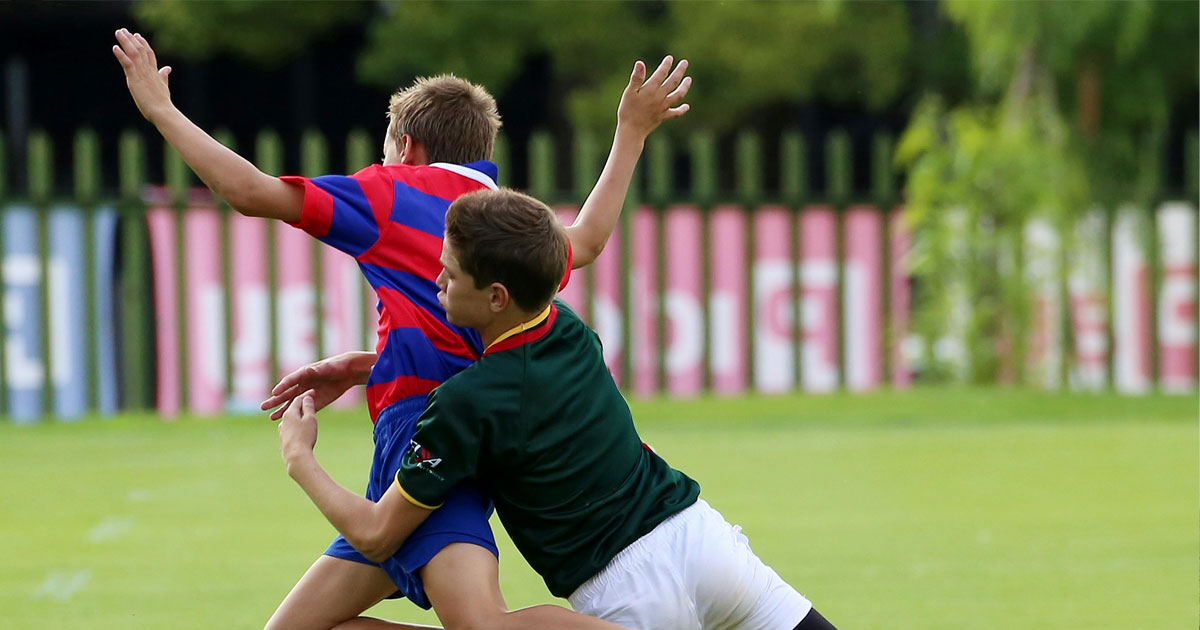
In sport, many concussions occur without direct head contact – a heavy tackle or whiplash force is often enough. This may sound odd, but concussions usually happen because the brain shakes inside the skull. Anatomically, the brain is not hard up against the bone which gives it this small space to rattle around inside when large forces (both direct or whiplash) are applied.
Recognising the Symptoms of Concussion
Symptoms can appear immediately or be delayed up to 48–72 hours. Common signs include:
- Headache or “pressure” in the head
- Dizziness, balance problems, or vertigo
- Nausea or vomiting
- Blurred or double vision, light/noise sensitivity
- Feeling “foggy”, confused, or slowed down
- Memory or concentration difficulties
- Mood changes – irritability, sadness, anxiety
- Fatigue or drowsiness
- Sleep disturbances
Loss of consciousness occurs in less than 10% of concussions – you do NOT need to be knocked out to have a concussion.
Emerging Tools for Immediate Concussion Detection
Technology is rapidly improving on-field recognition:
- SCAT-6 (Sport Concussion Assessment Tool 6) and Child SCAT-6 – the gold-standard sideline screening tools used by doctors and physiotherapists worldwide.
- Instrumented mouthguards – now used in professional rugby, AFL, and NRL. Tiny sensors detect head impacts in real time and alert medical staff if forces exceed safe thresholds.
- Video review and “spotters” in professional leagues to identify possible concussions missed in play.
At Spectrum Healthcare North Ryde, we use the latest SCAT-6 for accurate baseline testing and post-injury assessment.
How is Concussion Diagnosed? Imaging and Clinical Testing
Most concussions do NOT show up on standard CT or MRI scans – the brain looks structurally normal. Imaging is used to rule out more serious injuries (bleeding, swelling, or fracture).
- Immediate CT scan – if red flags such as vomiting, worsening headache, seizure, or loss of consciousness.
- MRI – occasionally used in prolonged symptoms to look for subtle changes.
- Advanced functional testing at our clinic:
- Comprehensive vestibular-ocular assessment
- Computerised balance testing
- Neurocognitive testing (ImPACT or similar)
- Cervical spine examination
Conservative Treatment and Rehabilitation Options
The cornerstone of recovery is guided active rehabilitation – complete couch rest beyond 24–48 hours can actually delay recovery.
At Spectrum Healthcare North Ryde, our multi-disciplinary concussion program includes:
- Vestibulo-ocular rehabilitation (VOR) Targeted eye-head coordination exercises to treat dizziness, motion sensitivity, and visual disturbance.
- Eye-tracking and gaze stability training Using cutting-edge software and drills to retrain the brain-eye connection impaired in 70–90% of concussions.
- Cervical spine treatment and rehabilitation Many concussion symptoms (headache, dizziness, neck pain) come from the upper neck. We use manual therapy, dry needling, and specific strengthening.
- Iron Neck and specialised neck strengthening devices Progressive resistance training to protect the head-neck complex and reduce future risk.
- Gradual aerobic exercise protocol Buffered exercise (usually cycling or walking) starting at 10–15 minutes to rebuild tolerance.
- Cognitive and sleep strategies Paced return to school/work plans, screen-time management, and sleep hygiene education.
Most patients feel significantly better within 2–4 weeks with this structured approach.
Non-Conservative Options (Rarely Needed)
- Prolonged symptoms (>4 weeks) may benefit from referral to a neurologist or concussion specialist centre.
- Very occasionally, medications are used for severe headache, sleep disturbance, or mood changes under medical supervision.
Long-Term Implications and Risks of Inadequate Recovery
Most people (80–90%) recover fully within 2–4 weeks with proper management. However, poor management can lead to:
- Post-Concussion Syndrome (PCS) – symptoms persisting beyond 3 months.
- Increased risk of anxiety, depression, and cognitive difficulties.
- Higher chance of repeat concussion and longer recovery times.
- In rare repeated cases (especially professional contact-sport athletes) – possible link to Chronic Traumatic Encephalopathy (CTE).
- Second Impact Syndrome – a rare but potentially fatal brain swelling if a second concussion occurs before full recovery.
Children and adolescents generally take longer to recover and need extra caution with return to learn and play.
Prevention and Return-to-Play Guidance
At Spectrum Healthcare North Ryde we follow the international Berlin Consensus guidelines:
- No same-day return to play
- Minimum 24–48 hours relative rest
- Gradual 6-stage return-to-sport protocol
- Final medical clearance by a trained practitioner
We also offer pre-season baseline testing for clubs and schools so recovery can be measured objectively.
A concussion is a brain injury that deserves respect and expert care. If you or your child has hit their head and is experiencing any symptoms – don’t “tough it out”. Early assessment dramatically improves outcomes.
Contact Spectrum Healthcare North Ryde today for same or next-day concussion appointments. Our clinic is fully equipped with vestibular, ocular-motor, cervical, and balance technology to give you the most advanced, evidence-based care in Sydney’s north.
Get back to school, work, and sport – safely and confidently.