
Radial vs Focused Shockwave Therapy: Which Is Right for Your Injury?
If you've been told that shockwave therapy might help your injury, you may have come across two terms: radial shockwave therapy and focused shockwave therapy. Both are clinically proven, non-invasive treatments for musculoskeletal pain — but they work differently, target different tissue depths, and suit different conditions.
At Spectrum Healthcare in North Ryde and Macquarie Park, we provide both types of shockwave therapy as part of our comprehensive musculoskeletal rehabilitation approach. This guide will help you understand how each works, the conditions they treat, and which might be suitable for you.
What Is Shockwave Therapy?
Shockwave therapy — formally known as Extracorporeal Shockwave Therapy (ESWT) — utilises high-energy acoustic (sound) waves to promote healing in damaged tissues. It has been employed in clinical practice for several decades and is backed by an increasing body of research for conditions such as tendon injuries, plantar fasciitis, calcifications, and chronic musculoskeletal pain.
The therapy works through several mechanisms:
Stimulating blood flow and the formation of new blood vessels (neoangiogenesis)
Triggering the release of growth factors that promote tissue repair
Breaking down calcifications in tendons
Releasing nitric oxide, which has an anti-inflammatory effect
Modulating pain via the release of Substance P, a key pain neurotransmitter
Despite sharing the same umbrella term, radial and focused shockwave therapies are quite different — and choosing the right type can significantly influence your outcome.
The Two Types: Radial vs Focused Shockwave Therapy
Radial Shockwave Therapy (RSWT)
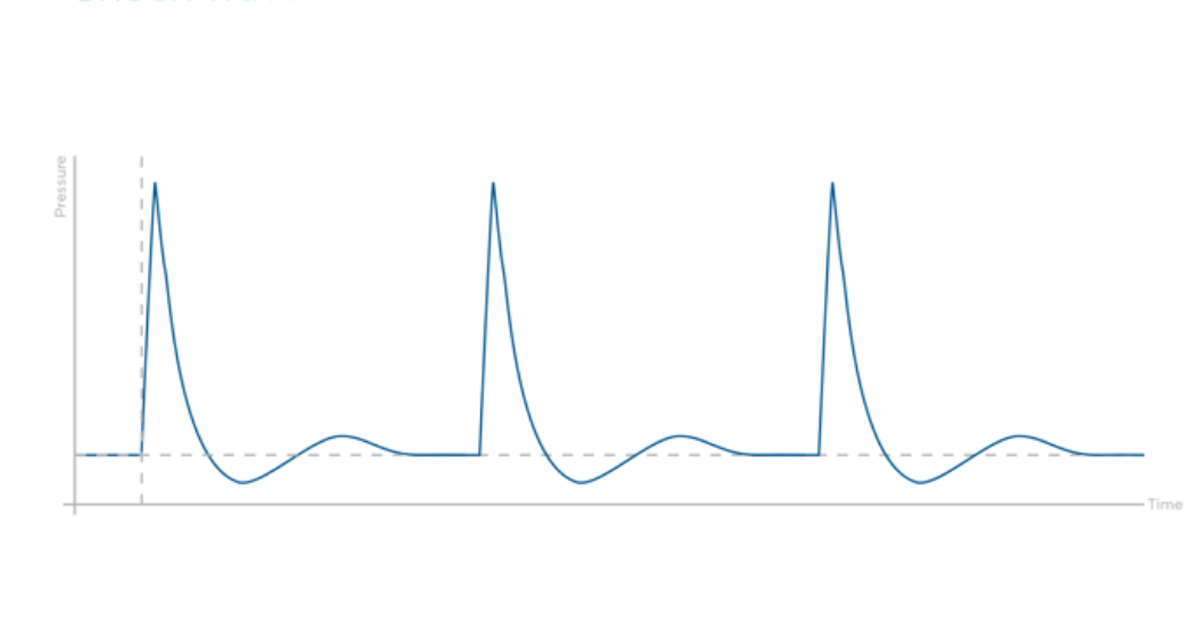
Radial shockwave therapy is the most common form of ESWT used in musculoskeletal clinics around the world. It operates with a pneumatic (compressed air) system: a small projectile is accelerated at high speed through a tube and then suddenly decelerated at the tip of a handheld applicator placed against the skin. This collision produces a pressure wave that radiates outward into the surrounding tissue.
The main feature of radial waves is that they are strongest at their source — the skin's surface — and their energy decreases as they travel deeper into the body. This makes radial shockwave therapy especially effective for conditions affecting superficial structures, usually within 3–4 cm of the skin.
Focused Shockwave Therapy (FSWT)
Focused shockwave therapy employs electromagnetic, electrohydraulic, or piezoelectric technology to produce a pressure wave that is precisely focused at a specific depth within the tissue. Unlike radial waves, focused waves do not diminish in energy as they travel through the body — they retain their intensity and are directed to a specific focal point. This means focused shockwave therapy can target structures up to 12 cm deep (and sometimes even deeper), making it suitable for treating conditions affecting tendons near bone, deep calcifications, and bone injuries that radial devices cannot reach.
Because the energy is concentrated at the focal point — not at the skin surface — focused shockwave therapy is often more comfortable for patients with acute or sensitive injuries.
Radial vs Focused Shockwave Therapy: At a Glance
| Feature | Radial Shockwave | Focused Shockwave |
|---|---|---|
| Depth of penetration | Superficial (3–4 cm) | Deep (up to 12–30 cm) |
| Energy pattern | Disperses outward | Converges at precise focal point |
| Treatment area | Wider surface area | Smaller, targeted focal zone |
| Best for | Superficial tendons, muscles | Deep tendons, bones, calcifications |
| Patient comfort | Generally well tolerated | More comfortable for acute injuries |
| Cost | Usually lower | Generally higher |
| Availability | Widely available | Specialist clinics |
Radial Shockwave Therapy: Pros and Cons
✅ Advantages of Radial Shockwave Therapy
- Widely available — radial devices are the most common in physiotherapy and sports medicine clinics
- Effective for superficial injuries — excellent results for conditions within 3–4 cm of the skin surface
- Broader treatment area — covers larger zones, making it well-suited for treating muscle chains and myofascial release
- Generally more affordable — lower equipment costs often mean a lower cost per session for patients
- Well tolerated — most patients find it comfortable, particularly for chronic, non-acute conditions
- Strong clinical evidence — decades of research support its use for plantar fasciitis, tennis elbow, and Achilles tendinopathy
❌ Limitations of Radial Shockwave Therapy
- Limited depth — energy dissipates with depth, meaning it may not reach deep structures effectively
- Less precise — the dispersed energy pattern is less targeted than focused therapy
- May be uncomfortable for acute injuries — the surface intensity can be poorly tolerated when inflammation is significant
- Not suitable for deep pathology — conditions near bone or involving deep calcifications may not respond as well
Focused Shockwave Therapy: Pros and Cons
✅ Advantages of Focused Shockwave Therapy
- Deep tissue penetration — can target structures up to 12 cm or more below the skin surface
- Precise targeting — energy is concentrated at a specific focal point, minimising impact on surrounding tissues
- More comfortable for acute cases — minimal energy at the skin surface means better tolerance in sensitive or acutely inflamed areas
- Treats a wider range of conditions — including deep calcifications, bone injuries, non-unions, and deep tendon pathology
- Superior long-term outcomes for certain conditions — particularly for chronic rotator cuff tendinopathies and deep tendon injuries
- Cavitation effect — generates nitric oxide release, producing a powerful anti-inflammatory and tissue-regenerating response
❌ Limitations of Focused Shockwave Therapy
- Less widely available — requires specialist equipment and trained practitioners
- Generally, higher cost — the technology is more expensive, which can translate to higher session fees
- Smaller treatment zone — the narrow focal point means it is less suited for treating broad, diffuse areas
- May require imaging guidance — for very deep or complex lesions, ultrasound guidance may be needed to localise treatment precisely
The Gold Standard: Combining Both Therapies
In recent years, leading shockwave therapy practitioners have increasingly adopted the use of both radial and focused shockwave in the same treatment session. This combined approach is now regarded as best practice for many complex musculoskeletal conditions.
By initially using radial waves to treat the superficial and surrounding soft tissue structures, and then applying focused shockwave therapy to target the deeper source of injury, clinicians can address the full scope of an injury — from surface-level inflammation and muscle tension to the underlying pathology at depth.
Benefits of Shockwave Therapy for Musculoskeletal Injuries
Shockwave therapy — in both its forms — offers a range of well-documented benefits for patients with musculoskeletal conditions:
🦶 Plantar Fasciitis and Heel Pain
One of the most researched uses of shockwave therapy, plantar fasciitis responds effectively to both radial and focused methods. Radial therapy covers the broader heel and fascia tissue, while focused shockwave can target the deeper structures of the plantar fascia for chronic or resistant cases. Most patients notice a significant reduction in pain within 4–6 weeks of treatment.
🎾 Tennis Elbow (Lateral Epicondylitis)
Radial shockwave is very effective for lateral epicondylitis, promoting tendon healing and easing pain in the forearm's extensor tendons. For more severe or calcific cases, focused therapy can be added for better results.
🦵 Achilles Tendinopathy
Both radial and focused shockwave therapy have strong evidence supporting their use for Achilles tendinopathy. Radial therapy is especially effective for mid-portion Achilles pain, while focused therapy is advantageous for insertional Achilles tendinopathy, where the tendon attaches to the heel bone at a deeper level.
🦴 Calcific Shoulder Tendinitis
Shockwave therapy is a proven, non-surgical treatment for calcium deposits in the rotator cuff tendons. Focused shockwave therapy is especially effective here, as it can break down calcifications and promote reabsorption. Research published in clinical trials has shown that focused shockwave offers significantly better long-term outcomes for rotator cuff tendinopathies compared to radial therapy.
🏃 Patellar Tendinopathy (Jumper's Knee)
For athletes suffering from patellar tendon pain, shockwave therapy promotes tendon remodelling and lessens chronic inflammation. Both radial and focused methods are employed depending on the depth and chronicity of the condition.
🦷 Hamstring Tendinopathy
Deep hamstring injuries — especially proximal hamstring tendinopathy at the ischial tuberosity — are a condition where focused shockwave therapy performs well. The ability to deliver energy at 8–12 cm depth enables accurate treatment of the tendon origin, something radial therapy cannot reliably achieve.
🧠 Myofascial Pain and Trigger Points
Radial shockwave therapy is especially effective for treating myofascial pain and muscular trigger points. Its dispersed energy helps relax muscle tightness, boost circulation, and facilitate myofascial release across large areas.
🦴 Stress Fractures and Delayed Bone Healing
Focused shockwave therapy plays a well-established role in promoting bone healing for stress fractures, delayed unions, and non-unions. Its deep penetration and high energy at the focal point support bone remodelling and speed up recovery when conventional treatments have failed.
Am I a Candidate for Shockwave Therapy?
Shockwave therapy may be suitable for you if:
- You have a musculoskeletal injury that has not resolved with rest, physiotherapy, or other conservative treatments
- Your condition is chronic (typically more than 3 months in duration)
- You have been diagnosed with a tendinopathy, plantar fasciitis, calcification, or similar condition
- You want to avoid surgery or cortisone injections
- You are looking to speed up recovery from a sporting or work-related injury
Shockwave therapy is generally not recommended if you:
- Are pregnant
- Have a blood clotting disorder or are on anticoagulant medication
- Have a local infection or tumour in the treatment area
- Have had a cortisone injection in the treatment area within the past 6 weeks
What to Expect from Shockwave Therapy at Spectrum Healthcare
At Spectrum Healthcare in North Ryde and Macquarie Park, your shockwave therapy journey begins with a thorough assessment by one of our experienced physiotherapists or musculoskeletal practitioners. This assessment will include:
- A thorough history of your injury and previous treatments
- A physical examination to assess the location, depth, and nature of your condition
- A discussion of your treatment goals and timeline
- A recommendation for the most appropriate type of shockwave therapy — radial, focused, or a combined approach
Most shockwave therapy programs typically involve 3–6 sessions, usually spaced about one week apart. Some patients notice improvements after the first or second session, while others see gradual progress in the weeks following their treatment. Your practitioner will track your progress and make adjustments to the approach as necessary.
Sessions are generally between 10 and 20 minutes, and most patients are able to continue with light activity between appointments.
Frequently Asked Questions
Is shockwave therapy painful?
Most patients experience some minor discomfort during treatment — especially with radial shockwave — which is usually described as a tapping or pressure feeling. Focused shockwave therapy is often better tolerated, particularly for acute injuries. Discomfort during treatment is typically brief and well-controlled by your practitioner, who will adjust the energy levels to suit your comfort.
How many sessions will I need?
The number of sessions depends on your condition and its severity, but most treatment plans include 3–6 sessions, scheduled 5–7 days apart. Your Spectrum Healthcare practitioner will provide you with a personalised treatment plan during your initial assessment.
Which type of shockwave therapy is better?
Neither type is universally 'better' — they are complementary tools with different strengths. Radial shockwave is ideal for superficial, broad conditions; focused shockwave excels for deep, precise, or complex pathologies. For many patients, the best outcomes come from a combination of both. Your practitioner at Spectrum Healthcare will recommend the most appropriate approach based on your individual diagnosis.
How soon will I notice results?
Some patients notice a reduction in pain after the first or second session, while others experience gradual improvement over 4–12 weeks following the completion of their treatment course. Shockwave therapy stimulates the body's natural healing processes, so continued improvement after the final session is common.
Is shockwave therapy covered by health insurance in Australia?
Coverage varies depending on your health fund and level of cover. We recommend contacting your health fund directly to confirm your entitlements. Our reception team at Spectrum Healthcare is happy to assist you with any billing or rebate questions.
Ready to Take the Next Step Towards Recovery?
If you're dealing with a persistent musculoskeletal injury and wondering if shockwave therapy could be beneficial, the experienced team at Spectrum Healthcare in North Ryde and Macquarie Park is here to assist.
We provide comprehensive musculoskeletal assessments and access to both radial and focused shockwave therapy, delivered by experienced practitioners dedicated to helping you return to the activities you enjoy — sooner.
Ready to Take the First Step?
Book your assessment today. Contact us to arrange your initial consultation and find out which shockwave therapy approach is right for your injury.