
Elbow Collateral Ligament Injuries
The elbow joint is stabilised by two main ligaments: the ulnar collateral ligament (UCL) on the inner side and the lateral collateral ligament (LCL) on the outer side. These ligaments provide stability during movements like throwing or pushing. Injuries to these ligaments can range from mild sprains to complete tears, often requiring targeted care to restore function. These injuries can significantly impact your ability to perform daily activities or participate in sports. Let’s take a look at how we at Spectrum Healthcare can support you in your recovery and rehabilitation of elbow ligament injuries.
How Do The Injuries Happen?
UCL Injuries
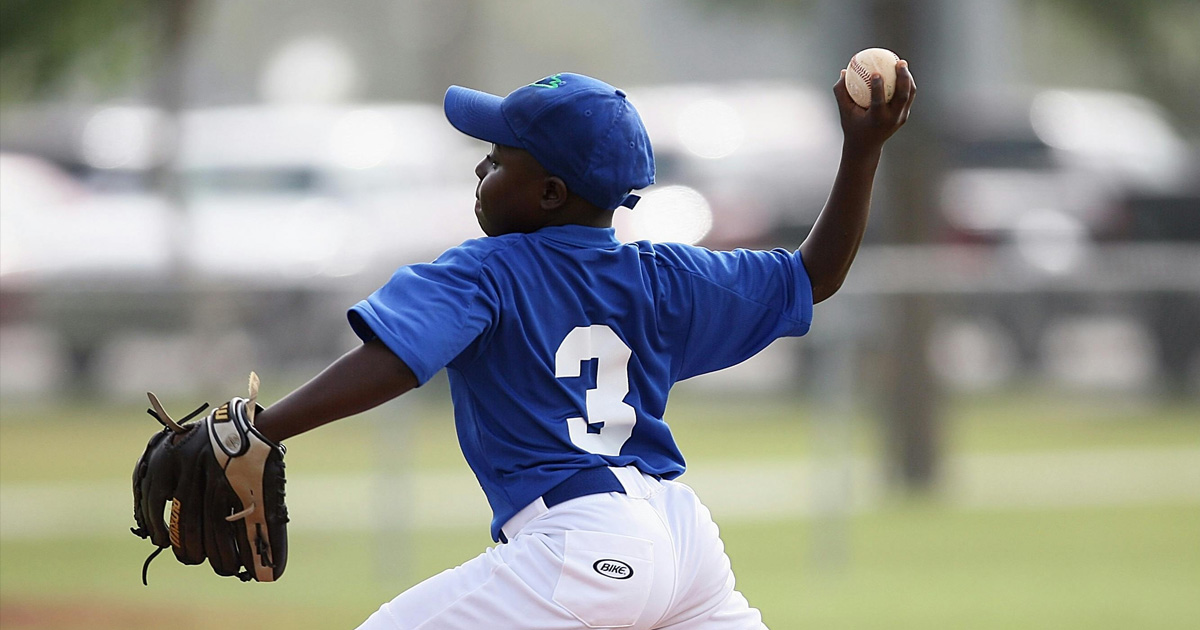
The UCL is commonly injured in sports involving repetitive overhead motions, such as baseball, tennis, cricket or volleyball. The ligament is stressed during the 'cocking' phase of throwing, where the elbow experiences high valgus forces (outward stress). Acute injuries can occur from a single traumatic event, like a fall, while chronic injuries result from repetitive microtrauma.
LCL Injuries
LCL injuries typically occur due to varus stress (inward stress) on the elbow, often from a fall on an outstretched hand or a direct blow to the inner elbow. These injuries are less common but can happen in contact sports like in the football codes, or in accidents causing the elbow to twist outwards.
What Do UCL and LCL Injuries Feel Like?
UCL Injury Symptoms
- Pain on the inner side of the elbow, especially during or after throwing.
- A 'popping' sensation at the time of injury (in severe cases).
- Swelling or bruising around the inner elbow.
- Decreased throwing velocity or control in athletes.
- Stiffness or difficulty fully extending the elbow.
LCL Injury Symptoms
- Pain on the outer side of the elbow.
- Instability or a feeling that the elbow might 'give out'.
- Swelling or tenderness on the outer elbow.
- Discomfort when pushing or lifting objects.
In both cases, severe injuries may lead to elbow instability, making it difficult to perform everyday tasks or sports activities.
Imaging
In some cases, we may need to image the area to get a better understanding of the nature of damage and exact injury. At Spectrum, we tend to refer most commonly for the imaging types below:
- X-rays: These rule out fractures or bone abnormalities but cannot visualise ligaments directly.
- MRI: Magnetic resonance imaging is the gold standard for assessing soft tissue injuries like UCL or LCL tears. It can show the extent of ligament damage (partial or complete tear).
- Ultrasound: In some cases, dynamic ultrasound is used to evaluate ligament stability during movement.
How Can Spectrum Help?
Conservative management focuses on recovery without surgery. This process is overseen by our knowledgeable Spectrum team, who can assist with using our in-house technology, like the Game-Ready and Alter-G to help you recover properly, along with many hands-on manual therapy techniques:
Sports Massage and soft tissue therapies: These include massage, cupping, dry needling and all work to reduce the pain and swelling of the affected area. There are great benefits to attain from reducing sensitivity of an injured area, including the ability to then perform rehabilitation and reconditioning exercises effectively.
Joint Mobilisation: Gentle mobility techniques to restore elbow and wrist and shoulder joint mobility, reducing compensatory stress, is another key component to returning to play and normal functions.
Rehabilitation and reconditioning: Supervised gradual transition to full weight-bearing, strengthening, proprioceptive conditioning and functional training. To return to play or return to your previous level of function, it is important to recondition tissues and systems that have suffered injury as some of these functions may have been lost or diminished. This is also a key step in preventing re-injury, and should be guided by a professional Spectrum Physio or Sport's Chiro.
In severe cases, it may be necessary to refer to a surgeon for further evaluation. In this case, we at Spectrum are lucky to work with some leading orthopedic specialists, who we lean on in these times. In every case, whether there is surgery or not, the return to play and normal function process involves rehabilitation and hands-on joint treatment.
Elbow collateral ligament injuries can be challenging, but with proper care, most patients can return to their previous level of function. For personalised advice, reach out to our Spectrum experts today, and we’ll help you get back to doing what you love!