
Posterior Elbow Impingement
If you've ever felt a sharp pain at the back of your elbow after throwing a ball, swinging a racket, or even just extending your arm repeatedly, you might be dealing with posterior elbow impingement. This condition, while not as well known as tennis or golfer’s elbow, can significantly impact daily activities and athletic performance. Tennis and Golfer's elbow are injuries to the tendons that attach to the sides of the elbow joint, posterior elbow impingement on the other hand, affects the back of the elbow directly. Posterior elbow impingement (PEI), also known as posterior impingement syndrome, accounts for the most common cause of posterior elbow pain in clinical practice. Let’s dive into this common condition, and take a look at how we at Spectrum can help you deal with symptoms.
How and Why Does it Happen?
The elbow is a hinge joint formed by three bones: the humerus (upper arm bone), the radius, and the ulna (forearm bones). At the back (posterior aspect) of the elbow, the ulna has a bony tip called the olecranon, most people can identify this as the point of their elbow. This olecranon fits into a depression on the humerus called the olecranon fossa, which allows the arm to extend fully. During normal elbow extension, the olecranon slides into the fossa smoothly. However, with repetitive forceful extension, compression of the soft tissues, like the cartilage and synovium, can occur. Oftentimes, PEI occurs due a combination of extension and valgus overload, think of a throwing action where the throwing arm extends rapidly and bends slightly inwards at the end of the throw when launching an object or ball. Over time, this repetitive trauma can lead to inflammation (synovitis), or the growth of bone spurs (osteophytes) that exacerbate the pinching symptoms. Let's see some common scenarios that lead people to present to our clinic with PEI:
- Sports settings: think throwing sports, such as javelin, cricket and baseball all perfectly fit the picture of extension and valgus forces. Tennis, calisthenics, gymnastics and even repetitive push movements in the gym can also cause this irritation to the posterior elbow.
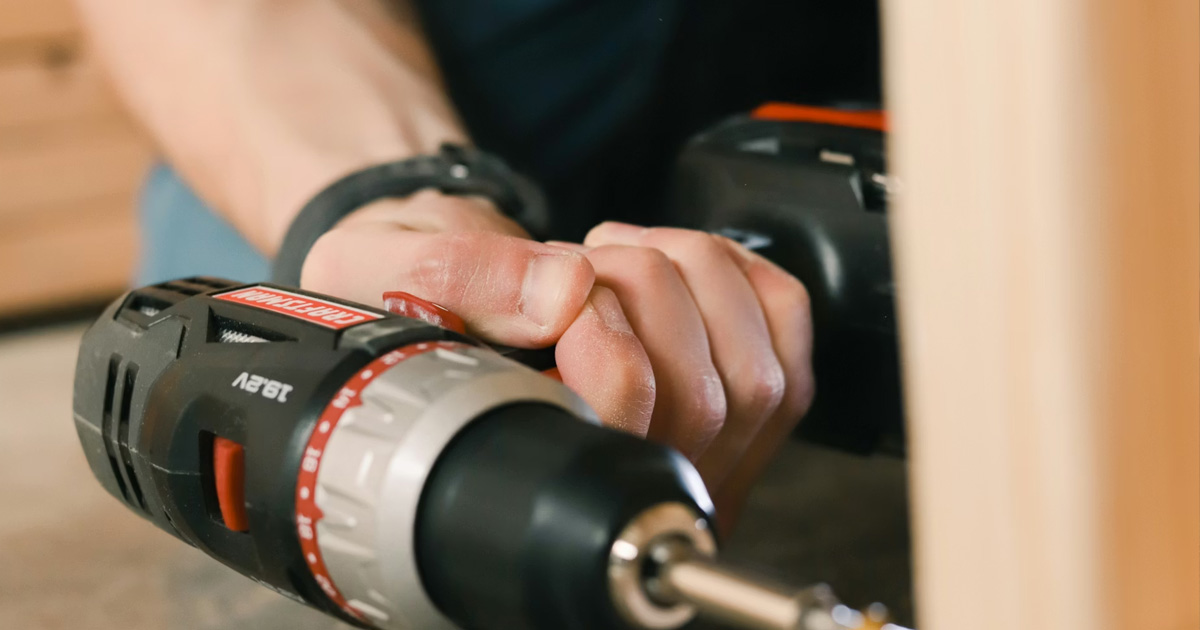
- Work settings: for the Tradies among us, using a hammer, heavy tools or machinery and other repetitive elbow extension activities can lead to PEI symptoms.
- Degenerative settings: conditions like osteoarthritis can be associated with osteophyte formation. Osteophytes can further reduce the olecranon fossa, or grow on the olecranon itself and create a 'knocking' as the elbow moves through extension ranges.
In some cases, PEI is present in other pathologies. Ulna collateral ligament sprains or olecranon bursitis for example, may be the catalyst to discover PEI, or the cause of acute PEI. In severe conditions or if left untreated, PEI can lead to a condition called osteochondritis dissecans, which is bone damage (avascular necrosis) within the elbow joint. This process occurs due to repetitive knocking of the medial condyle of the humerus on the olecranon, and can lead to fractures, increased pain and disability. When PEI is associated with other pathologies, it isn't usually the primary pain producer.
What Does it Feel Like?
At Spectrum, the symptoms we typically notice in patients with PEI include:
- Pain at the back of the elbow, especially when fully straightening the arm or during forceful extension.
- Swelling at the elbow, particularly in injuries where PEI is associated with a ligament sprain, arthritis or higher grade trauma.
- Mechanical symptoms, things like catching or locking sensations.
- Reduced range of motion. A classic presentation is the fixed flexion deformity, where patients do not want to extend their elbow due to their pain.
- In severe cases, weakness or instability.
Imaging
Diagnosing PEI always starts with a thorough history and physical assessment by our Spectrum clinicians. A combination of symptom patterns and provocative tests are generally sufficient for diagnosis, however imaging may be indicated to check for bony changes, or for joint integrity:
- X-rays: great at showing bone spurs, loose bodies, or joint space narrowing at the back of the elbow. They're quick and inexpensive but miss soft tissue details.
- MRI (magnetic resonance imaging): the gold standard for soft tissue analysis, is great at revealing inflammation, cartilage wear, or synovial thickening. It can also detect associated issues like ligament tears.
- Ultrasound: can be used for dynamic assessment, watching the joint move in real-time, though we don't commonly employ this imaging method when we have MRI and X-ray accessible.
How Can Spectrum Help You?
So, we suspect PEI is the cause of your symptoms, what exactly can we do about it? We're glad you asked! Spectrum specialises in conservative care, and in most cases, PEI will respond well to our care. Conservative care translates to non-operative approaches. Here, we like to use a combination of hands-on and exercise to help get you back to throwing your best:
Pain management: At Spectrum, we can use our advanced technology available to us, for example the Game Ready hot and cold contrast system, which blends the advantages of heat, cold and compression therapies.
Manual therapies: such as dry needling, soft tissue massage, cupping, joint mobilisation and many more, are options to help you manage symptoms and restore function at the elbow joint.
Taping and protection: most initial strategies are geared towards preventing hyperextension or aggravating positions. Modalities like taping and bracing can help prevent flare ups and manage symptoms during unavoidable work tasks, or important sports competitions.
Rehabilitation: targeted exercises to strengthen the elbow, wrist and shoulder muscles are vital to returning to normal function, particularly in fixed flexion deformity cases where function is altered. Valgus instability is another key component to be addressed in PEI, and can be addressed with targeted rehabilitation.
In some cases, conservative care may not suffice. Range of motion deficits alone may not indicate surgical intervention, but there are still options for sufferers that we at Spectrum can help lead you in the right direction for. Corticosteroid injections into the posterior joint can provide quick relief by reducing inflammation. Platelet-rich plasma (PRP) injections, where your blood is spun to concentrate healing factors and injected into the injury site can also be beneficial. In cases where surgery is indicated, where there is an obvious bony deformity (such as in arthritic PEI) or clear mechanical symptoms (locking and catching at the elbow), loose bodies or bone spurs can be debrided to clear the olecranon and its fossa; therefore improving function and reducing symptoms.
Posterior elbow impingement can be frustrating, but with early intervention, most people recover fully and are able to return to their activities. At Spectrum, our advice would be if you suspect PEI or you spot some of these signs and symptoms in your children, come in for a check-up. Best outcomes are always achieved the sooner something is addressed! Trust Spectrum) to get you back to the top of your game.